
9-minute read
•
November 19, 2026

💡 TL;DR:
To prevent mold in a Pacific Northwest bathroom, size the exhaust fan to the room, duct it outside and limit cold-wall condensation. Washington code requires at least 50 CFM for intermittent bathroom fans.
If you scrub the same dark spots off your bathroom ceiling every few months, cleaning isn't the real problem. Mold comes back when moisture has nowhere to go. Learning how to prevent mold in a bathroom starts with three parts a remodel can fix at the source: the fan, the duct and the walls.
Our wet season runs for months, and cool winters keep exterior walls cold. Shower steam that lingers can condense on those surfaces, which puts more of the work on bathroom ventilation in the Pacific Northwest.
Three problems can keep a bathroom damp enough for mold to return:

A fan that's too small for the room can leave moisture behind after a shower. In Washington, bathroom exhaust fan sizing starts from a code minimum of 50 CFM for a fan that runs intermittently.
CFM (cubic feet per minute) is the volume of air a fan moves. The Home Ventilating Institute (HVI) gives two common sizing rules:
Washington sets a floor under both rules. Its residential code requires (WAC 51-51-1505):
So a 40-square-foot bathroom that the square-foot rule puts at 40 CFM still needs 50 CFM of delivered airflow here if the fan runs intermittently.
When you compare bathroom fan CFM ratings, keep in mind that Washington's code counts the delivered airflow of the system as installed, not just the number on the box. A long or undersized duct can keep a fan from reaching its rating, so the duct matters too.
A bathroom fan has to carry moist air all the way outdoors, or the moisture moves somewhere else in the house. In Washington, that means a duct that ends outside the building, not in the attic.
The state's amendments set two rules for all exhaust ducts (WAC 51-51-0303):
A fan that empties into the attic or a wall cavity doesn't meet that standard.
In older homes, the bathroom may have no exhaust path at all. Many homes built before the 1980s went up with no plan for moving damp air out of bathrooms, so a remodel is a good time to add one.
Longer, narrower or more crooked ducts reduce the airflow a fan delivers. Two terms help here:
A few examples from that table:
Warm, steamy air can turn to water when it touches a cold surface, and in winter that's often an exterior wall or ceiling. Condensation on bathroom walls gives mold the moisture it needs.
The Washington State Department of Health notes that mold can grow “along walls where warm moist air condenses on cooler wall surfaces.” The department also says most molds don't harm healthy people, though people with allergies or asthma may be more sensitive.
Puget Sound winters tend to be cool and damp rather than frozen, with an average December low of 34.4°F in the climate office's data. Exterior walls and ceilings can stay cool through the season. Watch for these signs:
The fix is to clear steam before it reaches the wall:
On an Edmonds bathroom remodel, our team removed mold found in the walls.
Leaks need the same urgency. If a leak or overflow soaks a wall or floor, the EPA advises drying water-damaged areas within 24 to 48 hours to prevent mold growth.
Moisture below the floor is a separate problem. For that, see our guide to crawl space and foundation moisture in older homes.
Treat the fan, duct, controls and wet-area surfaces as one system, then confirm the permit. If your bathroom remodel opens the ceiling or walls, that's a practical time to check them together.
A timer can turn the fan off on its own once that time is up. For manual control, Washington accepts a simple on/off switch, as long as it's readily accessible in the bathroom the fan serves.
The duct decides whether the fan's airflow actually leaves the house. Plan for:
Washington also requires local exhaust fans to be tested and rated with HVI's airflow and sound procedures, so compare fans by their listed ratings rather than by size alone.
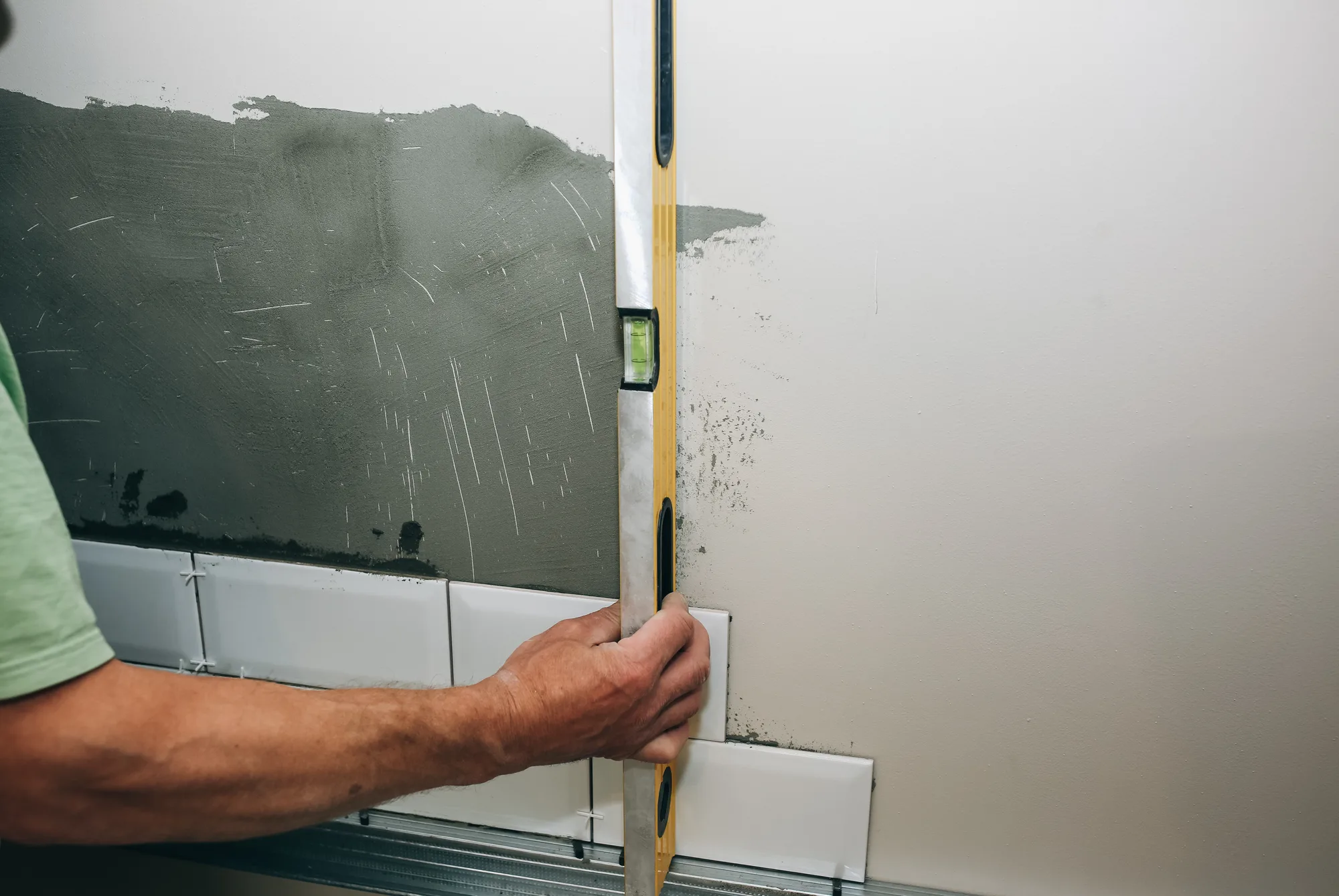
Ventilation clears the steam, while the surfaces behind the shower keep water out of the walls. Our shower builds use:
Ask about sealed grout and tile surfaces too. Our tile work includes waterproofing and sealing designed to help prevent leaks and mold. A few examples from our projects:
Adding or moving an exhaust fan or its ductwork is on the list of work that triggers a permit in our Snohomish County remodel permit guide. New or rerouted electrical circuits are on that list too, so a new fan circuit belongs in the same plan.
Vital Needs Remodeling is a licensed, bonded and insured remodeler serving Snohomish and King County. We plan bathroom remodels from the waterproofing behind the shower to the tile on the walls.
Contact us for a free estimate, and we'll walk through your bathroom plans with you. Our work is backed by a 12-month workmanship warranty, so you'll know who to call if something isn't right.
For bathrooms up to 100 square feet, HVI recommends 1 CFM per square foot. Larger bathrooms add 50 CFM per toilet, shower or tub, and 100 CFM for a jetted tub. In Washington, an intermittent bathroom fan must also deliver at least 50 CFM as installed. That means even a small bathroom with an intermittent fan starts at 50 CFM.
Not under Washington's residential code. The state requires every exhaust duct to terminate outside the building and to have a back-draft damper. A fan that vents into the attic only moves the moisture to another part of the house. A correctly vented fan connects to a cap on the roof or an exterior wall. If a remodel uncovers an attic-vented fan, it's worth correcting.
HVI recommends running the fan for 20 minutes after the bathroom is used. A timer switch or humidity sensor can handle that for you, so the fan keeps running after you leave the room. Washington code lists timers, humidity sensors and occupancy sensors among the automatic controls allowed for bathroom fans.
A bigger fan can help, but only if the duct can carry its airflow. Washington's duct table shows that higher-rated fans need larger or shorter ducts, and it doesn't permit 4-inch flex duct for an 80 CFM fan. Because the code counts delivered airflow as installed, size the fan and duct together instead of just choosing a higher rating.
Ceiling mold often points to moisture that isn't leaving the room. Common causes include a fan that's too small, a fan that shuts off too soon, a duct that never reaches the outdoors, or a leak from above. Warm, moist air can also condense on cool ceiling surfaces. Fixing the source helps keep it from coming back.
In Washington, yes for code-compliant work: the residential code requires bathrooms and toilet rooms to include a local exhaust system. An intermittent fan must deliver at least 50 CFM, or 20 CFM if it runs continuously. Your contractor or local building department can confirm how the requirement applies to your remodel and permit.


Older houses here hold decades of charm and decades of water history. Before you fall for the layout, it helps to know what the rain has been doing behind the walls.
Read More
Planning a kitchen or bathroom update and wondering where permits fit in? The answer depends less on Snohomish County and more on which city your house sits in.
Read More
That 1958 rambler has good bones and better light. The surprises are behind the walls, not in the floor plan.
Read More