

•
8-minute read
💡 TL;DR:
A remodel permit in Snohomish County is triggered by the work you do, not the room you do it in. Moving plumbing, altering electrical, or removing a wall almost always needs one. Each city runs its own process, so timelines differ from Mountlake Terrace to Bothell.
You need a remodel permit in Snohomish County the moment your project moves past cosmetic finishes and starts changing how the house is built. That single line separates a weekend refresh from a permitted job.
Cosmetic work stays in the clear. Structural, electrical, plumbing, and mechanical changes do not. The reason is life safety: a permit puts a city inspector between your remodel and a hidden problem like an overloaded circuit or a drain vented the wrong way.
The gray area is where homeowners get caught. Replacing a vanity is fine; replacing a vanity and moving the water supply six inches to center it is a plumbing change. Once your scope creeps from finishes into fixtures that move, assume a permit is in play until the city says otherwise.
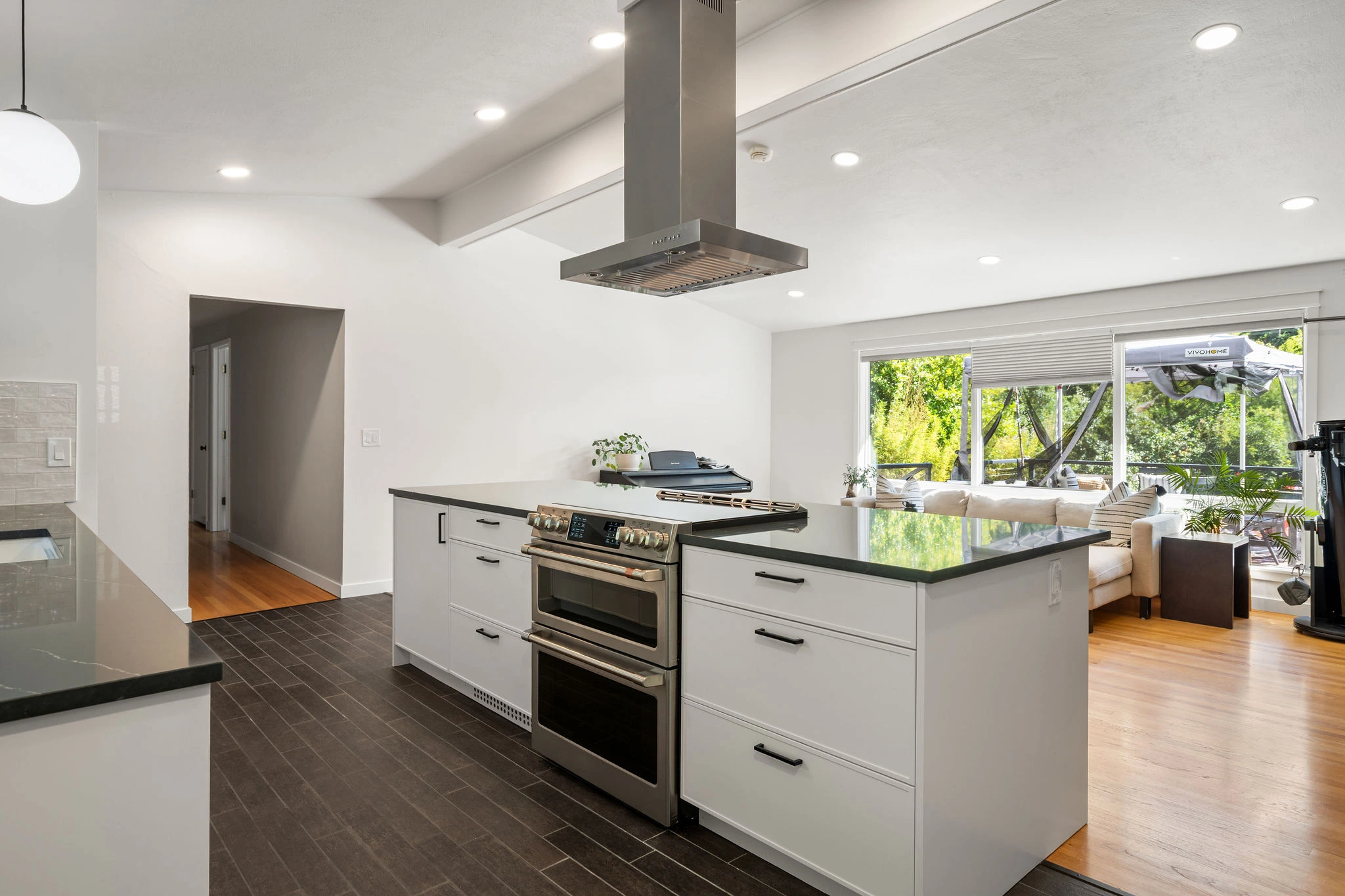
A kitchen remodel permit covers the parts of the job hidden behind drywall and cabinetry: the plumbing, electrical, and structural work an inspector cannot see later but the house relies on.
New cabinets and countertops on their own rarely trigger review. It is the work around them that does. Kitchens concentrate more regulated systems into one room than almost any other space, which is why so many need at least one trade permit even when the layout stays put.
If your plan keeps every fixture in place and only updates surfaces, you may need nothing at all. The instant an appliance moves or a wall comes down, the permit conversation starts. Our kitchen remodeling team maps this out before demolition.
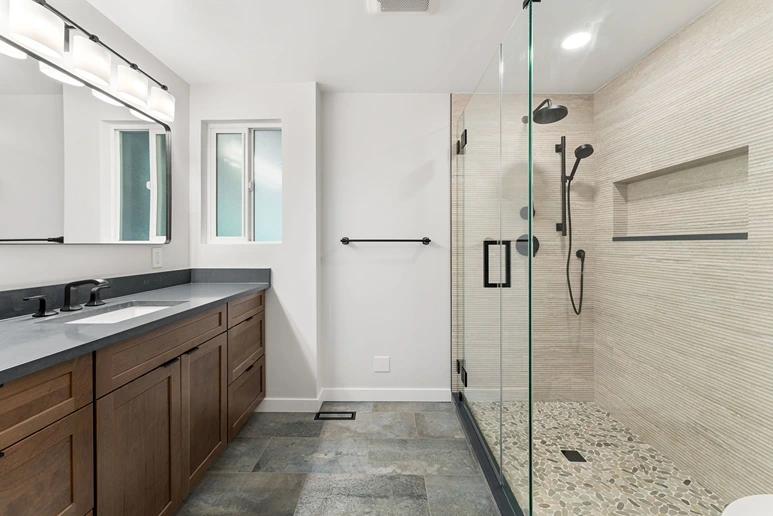
Bathrooms are small, wet, and full of plumbing, so their permit requirements surprise people. A room this size can still need two or three trade permits.
The deciding factor is whether water, waste, or power moves. Waterproofing and drainage sit at the center of bathroom code, so anything that opens the wet wall or changes the drain layout draws city attention.
A like-for-like fixture swap in the same footprint is often permit-free; reconfiguring the layout is not. Because bathrooms hide their plumbing inside finished walls, unpermitted work here is among the hardest to correct later and among the most likely to surface during a home sale. Our bathroom remodeling work is planned around the required inspections from day one.
The permit process runs the same five stages in every Snohomish County city, even though the front door and the wait time change from one to the next.
On building permit processing time, plan for weeks, not days, on structural work. A moderate kitchen or bath remodel usually sees first review in two to six weeks, with each correction cycle adding one to a few more. Simple trade permits move faster, sometimes over the counter the same day. What wrecks timelines is rarely the city; it is an incomplete application, so a clean submittal is your biggest lever.
In Washington, the contractor performing the work is generally the one who should pull the permit, because the permit holder carries responsibility for code compliance. When a registered contractor pulls it, that liability sits with them.
Homeowners do have an owner-builder option: state law lets you pull your own permit on a home you own and occupy, but only if you are genuinely doing the work yourself. Pull an owner-builder permit and hire out the labor, and you have taken on the contractor's liability without their bond or insurance behind you.
If a contractor asks you to pull the permit for their work, treat it as a warning sign:
A licensed remodeler handles this as a matter of course. Vital Needs Remodeling pulls the required permits and coordinates inspections for the projects we build, so accountability stays with the people doing the work.
Here is where "Snohomish County" stops being a useful answer. The county has one set of building codes but many issuing authorities, and the city your house sits in decides your portal, your timeline, and sometimes whether you need a permit at all.
Mountlake Terrace offers a "no review" Minor Residential Remodel Permit made specifically for kitchen and bathroom projects. Qualifying remodels of up to three spaces go under one permit with a decision in one to two business days.
The catch is scope: no framing, floor plan, or structural changes, and the work stays within existing walls. Larger projects move to a standard residential review of roughly four to six weeks.
Our Mountlake Terrace remodeling services are built around this process.
Edmonds runs entirely online through MyBuildingPermit.com and no longer takes paper. Plan on two to six weeks for first review, plus one to three weeks per correction cycle. Two local quirks: the permit counter is closed Wednesdays, and the city moved to the 2021 building codes in 2024, so older plan sets may need updating. See how we handle it on our Edmonds remodeling page.
Mukilteo draws an unusually clear line: cosmetic changes like new counters, cabinets, a vanity, or flooring need no permit, but any time plumbing or a fixture is moved, one is required, with a tub-to-shower conversion the city's own cited example. Mukilteo aims to review new applications within six weeks, while plumbing and mechanical permits often issue within about a week. See our Mukilteo kitchen and bath remodeling for how we work within it.
Bothell is the outlier: the city sits in both King and Snohomish counties, so a single street can have homes on either side of the line. That affects some approvals, like septic sign-off routing to either the King County or Snohomish Health District. Permits are filed through MyBuildingPermit.com.
One caution the city flags: it only invoices fees through that portal, so any request to wire money is a scam. Our Bothell remodeling services account for which county a property falls in. If your home is on the King County side, our guide to remodel permits in King County covers Seattle, Kirkland, and Kenmore.
Permitting is the part of a remodel that rewards local knowledge and punishes guesswork. Knowing that Mountlake Terrace can turn a kitchen permit around in two business days while a Bothell project might route through a county health district is the difference between a schedule that holds and one that slips.
Vital Needs Remodeling has spent 11+ years remodeling kitchens and bathrooms across Snohomish and King County, and we manage the permits and inspections so you do not have to decode a municipal portal on your own. If you are planning a project in any of these cities, contact us for a free estimate and we will map out the permit path along with the design.
It depends on scope. Updating finishes like cabinets, countertops, or flooring in the same layout usually needs no permit, but relocating the sink, moving an appliance, adding circuits, or taking down a wall almost always does. Because kitchens pack in plumbing, electrical, and sometimes gas, many remodels need at least one trade permit even when the footprint stays the same.
Yes, if the work moves plumbing, electrical, or walls. Replacing a toilet, vanity, or faucet in the same spot is generally permit-free, but relocating a fixture, converting a tub to a shower, adding an exhaust fan, or wiring heated floors triggers one. Cities watch drainage and waterproofing changes closely.
Anywhere from same day to several weeks. A moderate kitchen or bath remodel commonly sees first review in two to six weeks depending on the city, while simple trade permits are sometimes issued over the counter. Mountlake Terrace's no-review permit is decided in one to two business days.
Yes, but with limits. The owner-builder exemption lets you pull a permit on a home you own and occupy, provided you do the work yourself. If you pull it and then hire labor, you take on the liability a licensed contractor would normally carry, without their bond or insurance.
Cosmetic work in the same footprint: paint, new cabinet doors or hardware, countertops, tile, and like-for-like fixture swaps where nothing moves. The line is movement, so once a fixture, wall, or circuit relocates, review usually applies.
Almost always, yes. The conversion changes the drain location and often the venting, both plumbing changes cities regulate. Mukilteo names this exact project as one that requires a permit. Even when the shower sits where the tub was, the drain and waterproofing work brings it under review.
It tends to surface during a home sale, when an inspector or the county record flags it. You may have to open finished walls for inspection, pay penalty fees, or redo work that fails code, and it can complicate insurance claims and lower buyer confidence.
Yes. We pull the required permits and coordinate inspections for the kitchen and bath projects we build across Snohomish and King County. Because we work in these cities regularly, we know each jurisdiction's portal, timeline, and requirements, which keeps your project moving.


.png)


.svg)